

Rethinking How Veterinary Professionals Prepare for Practice
October 26, 2026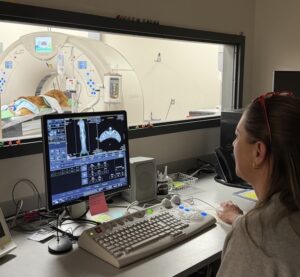
What does it actually mean to be ready for the next step in a veterinary career?
For a long time, some of the clearest markers of training have been numbers: hours completed, cases seen, procedures performed. Those measures are important, but they can only tell part of the story. Two people can have similar experiences on paper and walk away with very different levels of confidence and capability.
That’s one reason competency-based education is gaining attention in veterinary medicine. Rather than focusing only on what someone has been exposed to, it asks a different question: What should they be able to do?
That question is shaping how we think about professional development across veterinary roles. VIEW (Veterinary Imaging Education and Workforce) is the newest example.
Published this fall in Veterinary Radiology & Ultrasound, VIEW defines 30 core competencies for veterinary diagnostic imaging specialists across six areas of practice. It is the first workforce-informed competency framework developed specifically for veterinary diagnostic imaging, giving residents, educators and specialists a common language for talking about the capabilities required in the field.
Importantly, VIEW wasn’t created in isolation. The framework reflects input from specialists and residents as well as perspectives from academic medicine, private practice, teleradiology and veterinary education. That collaboration matters because competency shouldn’t be defined solely from the perspective of a classroom or a single hospital.
VIEW is part of a broader effort to rethink how veterinary professionals develop throughout their careers. ASCEND provides a competency framework for veterinary technicians, while ER Immerse supports veterinarians developing the clinical skills needed for emergency practice.
The roles are different, but the idea is consistent: experience is valuable. Knowing what that experience has prepared someone to do is even more valuable.
By making VIEW openly available, the work can extend beyond Ethos to residency programs, educators, specialists, and others working to advance veterinary education.
That’s an important part of our role within NVA’s specialty and emergency network, and part of our commitment to sharing knowledge that can help move veterinary medicine forward.
Read the VIEW framework: A Workforce-Informed Competency Framework Defines 30 Core Abilities of Veterinary Diagnostic Imaging Specialists, published open access in Veterinary Radiology & Ultrasound.